


Building Better Schools: Creating Spaces for Learning
November 18, 2026
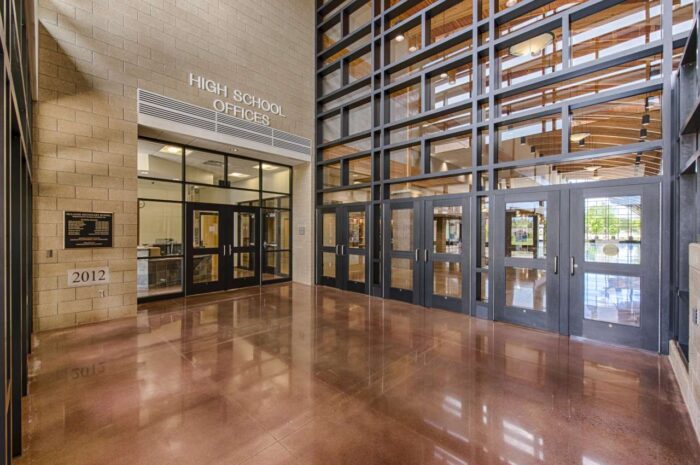
With the start of the school year, educational facilities have returned to their regular operating schedules. Classrooms are filling up, hallways are busy again, and students are settling into the spaces where they will spend much of their year.
It is easy to think of a school building simply as a collection of classrooms, offices, hallways, and learning spaces. But the best educational buildings do more than provide a place for academics. They support the people inside them, adapt to changing needs, and create an environment where students and staff can do their best work.
For Nor-Son Construction, that starts long before the first wall goes up. Educational construction requires careful planning, coordination, and attention to the people who will use the building every day. From new construction to additions and renovations, Nor-Son brings more than 30 years of experience from a wide range of educational projects throughout Minnesota. Their current portfolio includes projects ranging from new learning facilities to additions, renovations, and specialized educational spaces, along with recreation facilities, school gyms, and portables construction.
Start With People, Not Just the Building
Every educational project has its own goals, challenges, and priorities. A successful project begins by understanding those needs and bringing the right people into the conversation early. That includes school boards, leadership, staff, architects, construction professionals, and, ultimately, the students and communities the building is intended to serve.
For Project Manager Ryan Schwieters, one of the most important steps a school district can take is bringing a contractor into the process early. “When possible, get the contractor involved early. Early involvement can help guide the design toward a building that meets both the budget and the intended purpose. Contractors are looking at construction costs every day, so they can provide real-time feedback as the project develops.”
That early input can also help a district think through options before the project reaches the bidding stage. “It can be helpful to build options or alternates into the project for certain features, materials or systems. It is much easier to make those decisions before bidding than to find out later that the project is over budget and then have to redesign and value engineer the project after the fact.” That’s where early planning can make a real difference.
Value engineering isn’t simply about finding places to spend less. It’s about looking at the project from the ground up and considering different materials, systems or approaches that can accomplish the same goals while keeping the project within budget. The budget itself is also shaped by more than the cost of construction. School districts may be working with levy or bond funding, public procurement requirements, grants or other funding sources. Understanding those parameters early gives the entire project team a clearer picture of what is possible and where there may be opportunities to adjust the scope or priorities.
For a school district, good planning means more than creating a design that looks good on paper. It means developing a project that makes sense financially, meets the district’s goals and ultimately creates a space that works for the students, staff and community who will use it.
The Financial and Regulatory Side of School Construction
There are a few practical considerations that can have a real impact on a school construction project, including how the project is budgeted and managed.
One example is prevailing wage. Some Minnesota school construction projects, particularly those involving state funding or public works, are subject to prevailing-wage requirements. These requirements establish wage and benefit rates for different types of construction work and vary by location. Knowing whether they apply to a project is important when developing the construction budget.
Taxes are another piece of the puzzle. Schools and other qualifying organizations may be eligible for certain sales-tax exemptions, but those exemptions don’t automatically apply to every construction purchase. Depending on how a project is structured, a school may need to take specific steps, such as authorizing a contractor to purchase qualifying materials on its behalf.
These may not be the first things that come to mind when you think about building a school, but they can affect the overall cost of a project. Working through these details early gives the district and construction team a better understanding of the budget and helps avoid unexpected costs later.
Building Spaces Around How They Will Be Used
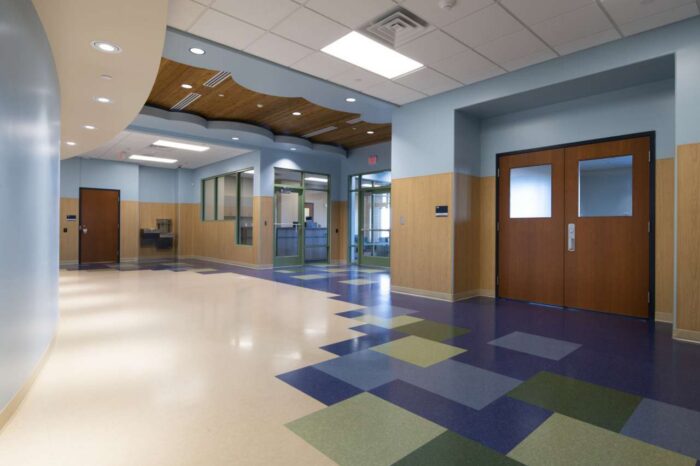
A successful educational space should make sense for those using it. That can mean creating flexible spaces that support different activities, improving the flow between classrooms and common areas, or incorporating details that make a facility more comfortable, functional, and easier to navigate. Careful planning must include accommodations for those with mobility challenges and special needs.
Nor-Son Construction’s work on the Freshwater Education District facility in Wadena, for example, included connected classrooms designed to improve flow and transitions, along with clerestory windows that provide natural light without creating outside distractions.
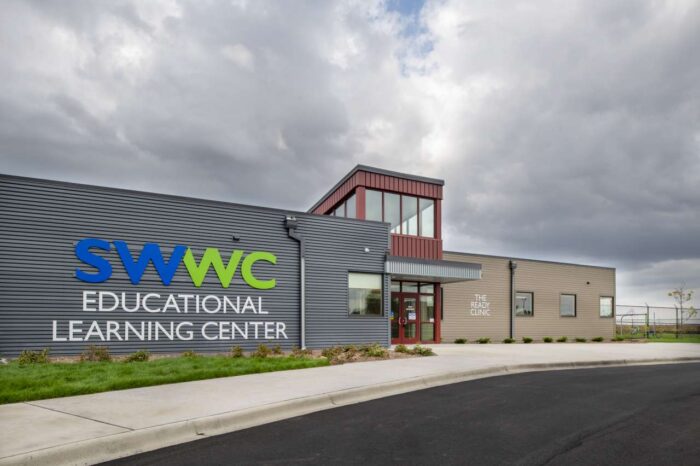
At the SWWC Educational Learning Center in Montevideo, Nor-Son helped create a 22,250-square-foot facility designed to serve students and surrounding communities. The center serves students with severe disabilities, autism spectrum disorder, or significant behavioral needs. The facility includes customized learning communities and a controlled outdoor play area. There is also an on-site READY clinic for non-emergency care. Nor-Son provided pre-construction and construction services for the project, working with Hay Dobbs PA Architecture and Interiors.
The Mille Lacs Academy Nor-Son Construction built for the Mille Lacs Band of Ojibwe is an 84,264-square-foot campus with four buildings, including dormitories, administrative offices, and classrooms. A large gym area was designed to host sporting events. These projects illustrate an important principle: good construction is not only about how a building looks when it is finished. It is about how the space functions every day.
Seeing the Building Through a Student’s Eyes
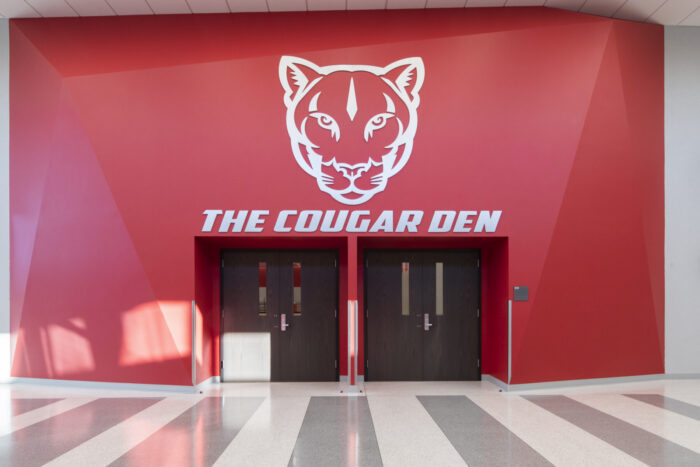
For those designing and constructing an educational facility, it can be easy to become focused on the technical details—materials, schedules, safety, staying on budget, systems, and coordination. But students experience a building differently. They notice how welcoming a space feels, how easily they can navigate between areas, and whether elements like light, acoustics, and comfort align with their needs. Ultimately, they can tell if a space was built with them in mind. School can be a stressful place for some students; it is important to create spaces that are calming and flow easily.
That student perspective was especially important in Nor-Son’s work on the Walker Hackensack Akeley Level IV facility. The 13,800-square-foot facility was built to fulfill a rising need for special education in Minnesota. The project incorporated durable materials, warm and calming finishes, reflection rooms, and other features intended to create a supportive environment for the students who use the space.
Project Manager Scott Pikula sees that student experience as an important part of the construction conversation. “From a student’s perspective, an educational space should give them a sense that they belong there. The environment needs to balance flexibility, physical comfort and well-being, technology and the ability for students to find their place within the space.” That idea of belonging is easy to overlook when looking at a floor plan, but it can have a very real effect on how people experience a building. That perspective is a valuable reminder that the finished building is not the end goal. It is to create a place that works for the people who walk through its doors every day.
Experience Matters When the Work is Happening Around You
Building a new facility is one thing. Renovating or expanding an existing facility while it remains in use with careful coordination requires another level of planning. Nor-Son’s work with the Ada-Borup School District is one example. The project included a new precast gymnasium along with renovations to classrooms, administrative offices, and common areas–all while students and staff remained fully active on campus.
What truly defines Nor-Son’s approach to “coordination” is a comprehensive, proactive strategy that goes far beyond a basic construction schedule. It encompasses careful logistics planning, strict safety and containment barriers, daily dust and noise mitigation, and carefully mapped-out contractor routes that completely separate students from work zones.
What helps Nor-Son succeed is our deep respect for the active learning environment. We don’t just manage a timeline; we manage the human impact. Through transparent, ongoing communication with school leadership and thorough behind-the-scenes planning, we ensure students and staff can continue their everyday routines while construction happens right outside their doors.
The measure of success is not simply whether construction stays on schedule. It is whether the people who use the facility can continue serving the community’s children effectively while the work is underway.

Cooperative Purchasing Can Be Another Tool
School districts have several options for how they go about selecting a construction partner. Cooperative purchasing is one option that can make the process more straightforward.
Sourcewell is a cooperative purchasing organization that serves schools, government agencies and nonprofits. Through Sourcewell, members can use contracts that have already gone through a competitive solicitation process, rather than starting that process from scratch for every project. Construction services are among the options available.
One of those options is Gordian’s ezIQC system, which provides a way to contract for construction work and establish pricing using a set of construction tasks and costs. For districts that use this type of delivery method, it can provide a more structured way to move a project from planning into construction.
Nor-Son has experience working through cooperative purchasing programs on educational projects, including the Ada-Borup School District project. In that case, the district used Gordian’s ezIQC process through its local cooperative purchasing network with Sourcewell.
There was another advantage to that project, too: Nor-Son had already worked with the district on previous projects. That existing relationship meant the team was familiar with the district, its campus and how it wanted to approach the work. Sometimes, that familiarity can be just as valuable as the process itself when it comes to getting a project moving.
Building Better Spaces for the Future
Educational facilities are designed not just for current students, but to serve as lasting cornerstones of community life for decades. That means asking questions beyond the immediate project: How will the space be used? What will students and staff need? How can the building support the community? What challenges should be addressed before construction begins?
Nor-Son’s experience across educational projects provides its team with a perspective that goes beyond individual buildings. Its portfolio includes new construction, additions, renovations, and learning facilities, recreational spaces, with project delivery approaches including construction management, general contracting, and design-build.
The result is a construction process built around teamwork, relationships, execution, communication, and understanding the purpose behind the project. And ultimately, that purpose is bigger than the building itself. It is about creating places where students can learn at their highest level, teachers can teach, and communities can grow and prosper far into the future.
Planning Your Next Educational Project?
If your district is considering a new facility, addition, or renovation, bringing your construction partner into the conversation early is the best way to identify opportunities, address challenges, and create a smoother path from planning to completion.
Nor-Son Construction brings experience, collaboration, and practical expertise to educational construction projects throughout Minnesota. Contact the Nor-Son Construction team to talk about your next project.